


В современной высококонкурентной отрасли обработки камня прибыльность зависит не только от наличия квалифицированных рабочих и качественных материалов. Эффективность производственного процесса напрямую влияет на сроки поставки, затраты на рабочую силу, стабильность качества продукции и удовлетворенность клиентов.
Независимо от того, управляете ли вы цехом по обработке камня, фабрикой по изготовлению памятников, мастерской по изготовлению столешниц, предприятием по обработке архитектурного камня или крупным заводом по производству изделий из камня, оптимизация производственного процесса может значительно повысить производительность и одновременно снизить операционные расходы.
В этом руководстве рассматриваются практические стратегии, модернизация оборудования и совершенствование рабочих процессов, которые могут помочь производителям камня максимизировать производительность и оставаться конкурентоспособными на мировом рынке.
Многие камнеобрабатывающие заводы сосредотачиваются на приобретении нового оборудования, но упускают из виду неэффективность, скрытую в их производственных процессах.
К распространённым проблемам, возникающим в процессе работы, относятся:
Например, на заводе по обработке гранитных памятников может тратиться больше времени на перемещение камня между рабочими местами, чем на саму обработку. В некоторых случаях задержки производства вызваны не скоростью работы оборудования, а плохим планированием рабочего процесса.
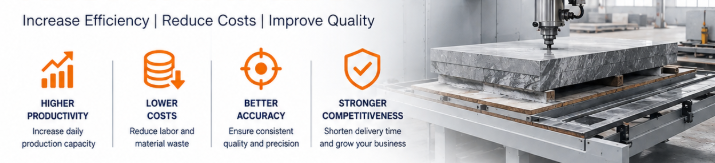
Оптимизация рабочих процессов помогает производителям:
✓ Увеличение суточной производственной мощности
✓ Снижение затрат на рабочую силу
✓ Минимизация отходов материалов
✓ Повышение стабильности качества продукции
✓ Сокращение сроков доставки
✓ Увеличение рентабельности
Прежде чем вкладывать средства в новое оборудование, оцените свой текущий рабочий процесс.
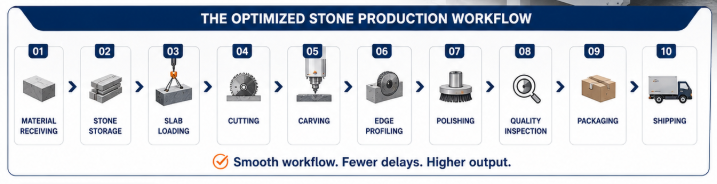
Составьте карту каждого этапа производства:
Приём материалов——Склад камня——Нагрузка на плиту —Резка——Резьба по дереву——Профилирование кромок —Полировка——Контроль качества —Упаковка——Перевозки
Отслеживать:
На многих заводах обнаруживают, что узкие места возникают только на одном или двух этапах, что делает целенаправленные улучшения гораздо более экономически выгодными, чем полная замена оборудования.
Наибольшие потери производительности часто возникают при выполнении операций вручную.
Пример: ручная разметка против обработки на станке с ЧПУ.
| Процесс | Ручной метод | Метод ЧПУ |
|---|---|---|
| Измерение | Зависит от оператора | Управление осуществляется с помощью CAD/CAM-систем. |
| Точность резки | Зависит от работника | Последовательный и точный |
| Скорость производства | Помедленнее | Быстрее |
| Материальные отходы | Выше | Ниже |
| Повторяемость | Ограниченный | Отличный |
| Требования к труду | Необходимо больше операторов. | Требуется меньше операторов |
| Сложные конструкции | Сложно и трудоемко | Легко автоматизируется |
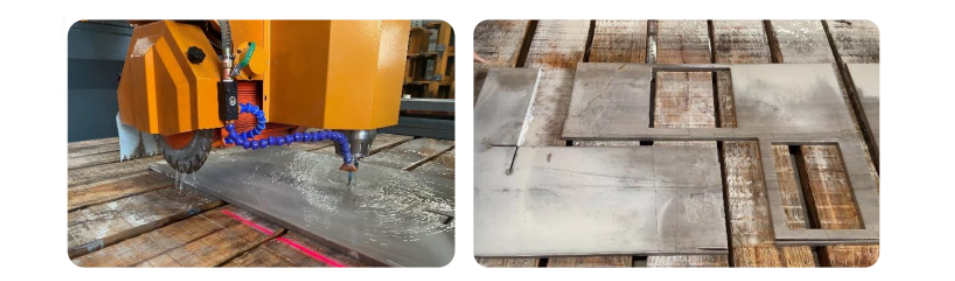
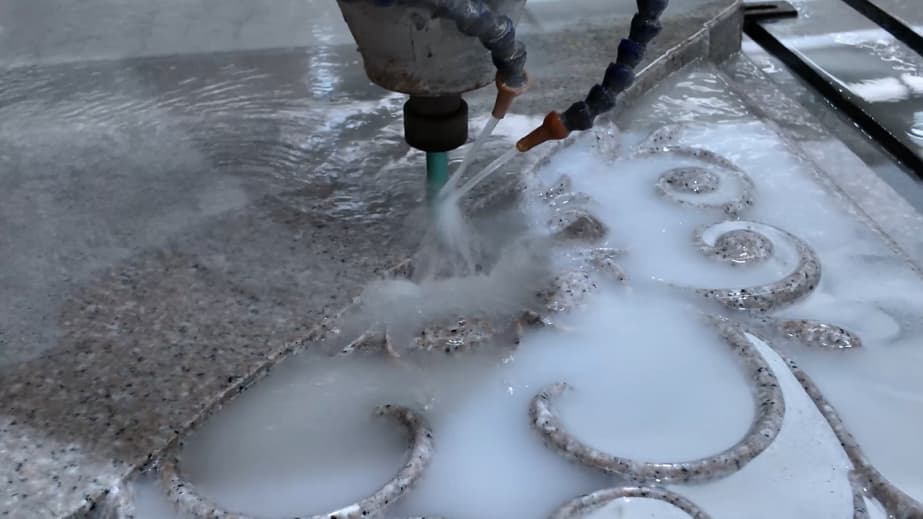
Станок для гравировки по камню с ЧПУ может автоматически обрабатывать сложные рельефные изображения, декоративные бордюры, надписи и 3D-скульптуры с минимальным участием оператора.
Например, Мощный фрезерный станок с ЧПУ для обработки камня Может непрерывно обрабатывать гранитные и мраморные узоры в течение нескольких часов, сохраняя при этом неизменную точность размеров, что снижает необходимость в доработке.
Перемещение камней зачастую является одним из самых трудоемких видов работ в мастерской.
Тяжелые плиты могут перемещаться несколько раз до завершения работ.
Для повышения эффективности:
Пример оптимизированного рабочего процесса
Традиционная планировка:
Хранение → Резка → Хранение → Резьба → Хранение → Полировка
Оптимизированная компоновка:
Хранение → Резка → Вырезание → Полировка → Упаковка
Сокращение ненужных движений может сэкономить десятки рабочих часов каждую неделю.
Один из наиболее эффективных способов оптимизации производства — использование оборудования, способного выполнять несколько операций одновременно.
A современный обрабатывающий центр с ЧПУ для обработки камня может выполнять:
Резка, Помол, Гравюра, Бурение, Профилирование, Рельефная резьба
Сокращая количество перемещений оборудования, производители повышают непрерывность производственного процесса и сокращают трудозатраты.
При изготовлении столешниц на заказ, производстве памятников и архитектурных изделий из камня интегрированные процессы часто обеспечивают значительно более высокую эффективность.
Износ инструмента напрямую влияет на качество обработки и эффективность производства.
К признакам ненадлежащего управления инструментами относятся:
Изношенный алмазный инструмент может увеличить время резки на 20–30%, при этом качество резки может снизиться.
К передовым практикам относятся:
Например:
Многие заводы до сих пор полагаются на бумажные графики и устные инструкции.
Цифровое управление производством предоставляет:
В число преимуществ входят:
При одновременной работе нескольких станков с ЧПУ цифровое планирование может значительно сократить время простоя и производственные конфликты.
Переделка — одна из самых дорогостоящих скрытых статей расходов в производстве изделий из камня.
К распространённым причинам относятся:
Внедрите проверки на ключевых этапах:
Перед нарезкой
Проверять:
Перед полировкой
Проверять:
Перед упаковкой
Проверять:
Ранняя диагностика позволяет избежать дорогостоящей повторной обработки в дальнейшем.
Для разных задач требуется различное оборудование.
Производство столешниц
Рекомендуемое оборудование:
Производство памятников
Рекомендуемое оборудование:
Архитектурное оформление
Рекомендуемое оборудование:
Правильный выбор оборудования для каждой производственной задачи повышает производительность и уменьшает узкие места.
В1: Как быстрее всего повысить эффективность производства камня?
Наиболее быстрое улучшение часто достигается за счет выявления узких мест и автоматизации повторяющихся операций, таких как резка, гравировка или профилирование.
Вопрос 2: Действительно ли станок для обработки камня с ЧПУ снижает затраты на рабочую силу?
Да. Один квалифицированный оператор часто может контролировать несколько автоматизированных процессов, снижая зависимость от больших производственных бригад и повышая стабильность.
Вопрос 3: Как я могу уменьшить количество отходов каменной кладки?
Точное программирование CAD/CAM, оптимизированные схемы раскроя и прецизионная резка на станках с ЧПУ помогают максимально эффективно использовать материал.
Вопрос 4: Какой этап обработки камня обычно вызывает задержки?
На многих заводах полировка и ручная отделка являются основными узкими местами из-за трудоемкости операций.
В5: Оптимизация рабочих процессов важнее, чем покупка нового оборудования?
Часто — да. Улучшение планировки производства и управления производственными процессами может значительно повысить эффективность до того, как потребуются крупные инвестиции в оборудование.
Оптимизация процесса производства камня – это не просто ускорение работы, а создание более интеллектуальной и эффективной производственной системы.
Анализируя узкие места, сокращая объемы погрузочно-разгрузочных работ, автоматизируя повторяющиеся задачи, внедряя цифровое планирование и инвестируя в подходящее оборудование для обработки камня, производители могут увеличить объемы производства, улучшить качество и укрепить свои конкурентные позиции на мировом рынке.
Поскольку спрос на изделия из камня, изготовленные по индивидуальному заказу, продолжает расти, заводы, сочетающие передовое камнеобрабатывающее оборудование с эффективным управлением производством, будут иметь наилучшие условия для долгосрочного успеха.
оставить сообщение
Сканировать в Wechat :

Сканировать в WhatsApp :






 Поддерживается сеть IPv6