


Обычно во время работы станок для резьбы по камню издает ровный, ритмичный звук резки. Но если станок внезапно начинает издавать гораздо более громкие звуки, визжать, гудеть, стонать или издавать ритмичные стуки, это нельзя игнорировать.
Внезапное изменение уровня шума от оборудования часто является ранним предупреждением о том, что что-то требует внимания.
Для ЧПУ стабильные станки для резьбы по камнюНеобычный шум может исходить от режущего инструмента, шпинделя, параметров обработки или механических компонентов. Своевременное выявление звука поможет предотвратить низкое качество резьбы, повреждение инструмента и ненужные простои.
1. Как должен звучать обычный станок для резьбы по камню?
Прежде чем выявлять аномальные звуки, важно понять, как звучит нормальная работа устройства.
Во время стабильной обработки камня станок должен издавать, как правило, постоянный и ритмичный звук резки. Незначительные изменения при входе или выходе инструмента из камня являются нормой, но внезапное и устойчивое изменение заслуживает внимания.
К типичным предупреждающим звукам относятся:
Ключевой момент заключается не просто в том, насколько громко работает машина, а в том, меняется ли звук внезапно по сравнению с его обычным режимом работы.
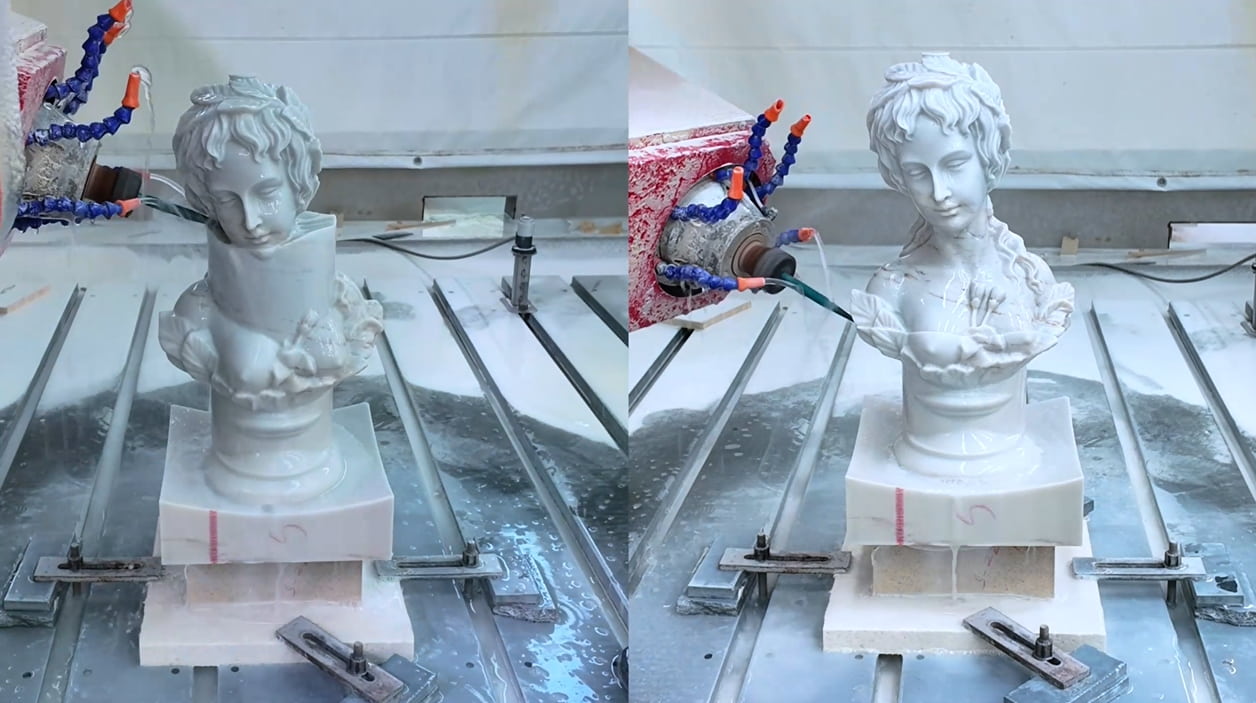
2. Четыре распространенные причины, по которым ваш прибор начинает шуметь.
Причина 1: Износ режущего инструмента.
Износ инструмента — одна из наиболее распространенных причин возникновения посторонних шумов при резке. По мере износа алмазного инструмента его режущая способность снижается. Для удаления того же количества камня станку требуется создавать большее режущее усилие.
Вы можете заметить:
Что делать:
Остановите станок и осмотрите инструмент. Если инструмент имеет видимые следы износа или повреждения, замените его подходящим новым инструментом. Если после замены станок вернется к нормальному звуку, вероятной причиной был износ инструмента.
Причина 2: Проблемы с подшипниками шпинделя
Шпиндель работает на высокой скорости, поэтому его подшипники должны быть надлежащим образом смазаны и находиться в исправном состоянии.
При износе или повреждении подшипников шпиндель может издавать высокочастотный гудящий, скрежещущий или царапающий звук, особенно на высоких оборотах.
Полезной предварительной проверкой является снятие режущего инструмента и запуск шпинделя без резки.
Если посторонний шум сохраняется даже при работе шпинделя без нагрузки, возможно, потребуется дополнительная проверка шпинделя или его подшипников.
Что делать:
Прекратите использование станка, если шум сильный или продолжает усиливаться. Вместо того чтобы продолжать работу под нагрузкой, обратитесь к квалифицированному специалисту для осмотра шпинделя.
Причина 3: Слишком агрессивные параметры резки.
Иногда сам станок не повреждается — параметры резки просто слишком агрессивны.
Например:
Эти условия повышают сопротивление резанию и могут привести к тому, что машина будет издавать шум, похожий на перегрузку под большой нагрузкой.
Что делать:
Уменьшите скорость подачи или глубину резания и понаблюдайте за работой станка. Если после корректировки параметров уровень шума снижается, вероятно, исходные настройки создавали чрезмерную нагрузку на систему резки.
Кончик: При обработке твердых материалов, таких как гранит, не следует автоматически использовать те же параметры, что и для более мягких материалов. Условия резки должны соответствовать материалу, инструменту, возможностям шпинделя и стратегии обработки.
Причина 4: Ослабленное соединение или механические винты.
В станке с ЧПУ используется множество механических соединений. Если соединительные винты или другие крепежные элементы ослабнут, это может нарушить выравнивание. Это может вызывать повторяющиеся стуки, щелчки или дребезжание во время движения.
Вы также можете заметить:
Что делать:
Остановите машину и осмотрите соответствующие механические соединения в соответствии с процедурой технического обслуживания, предоставленной производителем машины. При необходимости затяните ослабленные крепежные элементы и проверьте, исчез ли ненормальный звук.
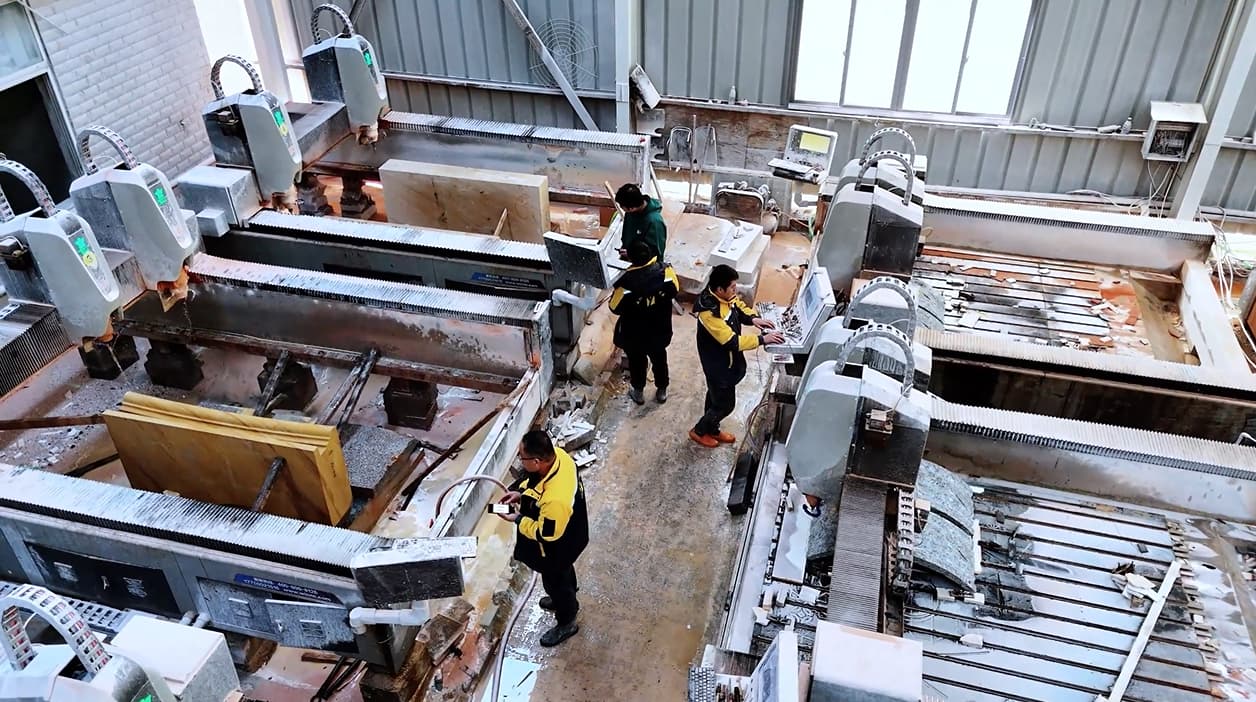
| Аномальный звук | Возможная причина | Что проверить | Рекомендуемые действия |
|---|---|---|---|
| Резкий визг | Износ инструмента | Состояние инструмента и сопротивление резанию | Остановитесь и осмотрите или замените инструмент. |
| Высокочастотное гудение | Проблема с подшипником шпинделя | Вращение шпинделя без резания нагрузки | Организуйте профессиональную проверку. |
| Тяжелые стоны | Чрезмерная нагрузка при резке | Скорость подачи и глубина резания | Снизьте параметры обработки. |
| Ритмичный стук | Неплотно прилегающие соединения или крепежные элементы | Соединительные муфты и механические соединения | Остановите и осмотрите крепежные элементы. |
| Сильная вибрация с шумом | Проблема с инструментом, шпинделем или механическим устройством. | Установка инструмента, шпиндель, перемещение станка. | Остановить операцию и провести расследование. |
4. Почему следует останавливаться, когда меняется звук?
Игнорирование необычного шума может превратить небольшую проблему в более серьезную проблему, требующую технического обслуживания.
Например, изношенный режущий инструмент может изначально издавать только более резкий звук. Продолжение работы может увеличить сопротивление резанию и вибрацию, что потенциально может повлиять на:
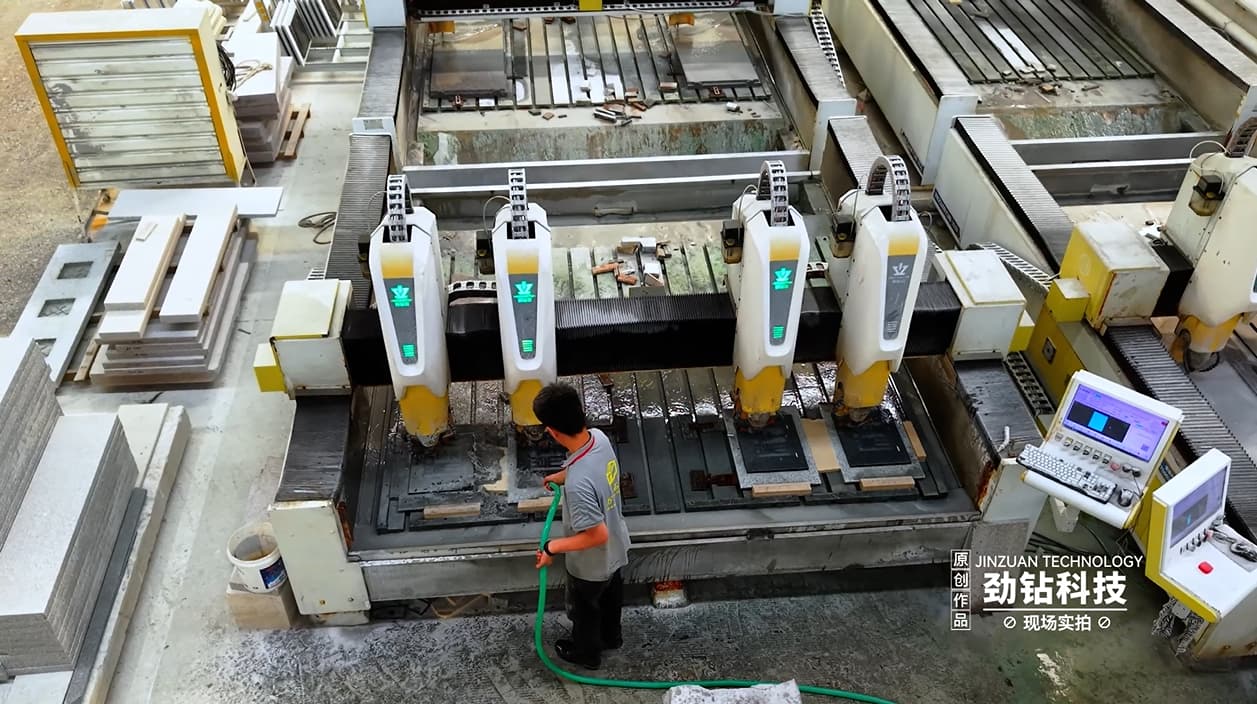
5. Простая последовательность действий по устранению неполадок
Когда ваш станок для резьбы по камню с ЧПУ Если звук внезапно усилился, не стоит сразу предполагать, что шпиндель поврежден. Выполните простую пошаговую проверку:
Шаг 1: Остановите процесс резки.
Безопасно приостановите процесс обработки и понаблюдайте, когда появится ненормальный звук.
Шаг 2: Проверьте режущий инструмент
Обратите внимание на чрезмерный износ, повреждения, неправильную установку или необычный контакт с камнем.
Шаг 3: Проверка параметров резки
Проверьте скорость подачи, глубину резания, скорость вращения шпинделя и тип обрабатываемого камня.
Шаг 4: Проверьте шпиндель.
Если это целесообразно и безопасно, запускайте шпиндель без режущей нагрузки. Постоянный ненормальный шум может указывать на проблему, связанную со шпинделем.
Шаг 5: Проверка механических соединений
Проверьте доступные соединительные элементы, винты, крепежные детали и другие механические компоненты на предмет ослабления креплений.
Шаг 6: При необходимости свяжитесь со специалистом.
Если после базовой проверки ненормальный звук сохраняется, следует избегать длительной эксплуатации и организовать профессиональную диагностику.
6. Профилактика лучше, чем устранение неполадок.
Для проведения технического обслуживания станка для резьбы по камню не нужно ждать появления необычного звука.
Простая процедура технического обслуживания может помочь предотвратить многие проблемы:
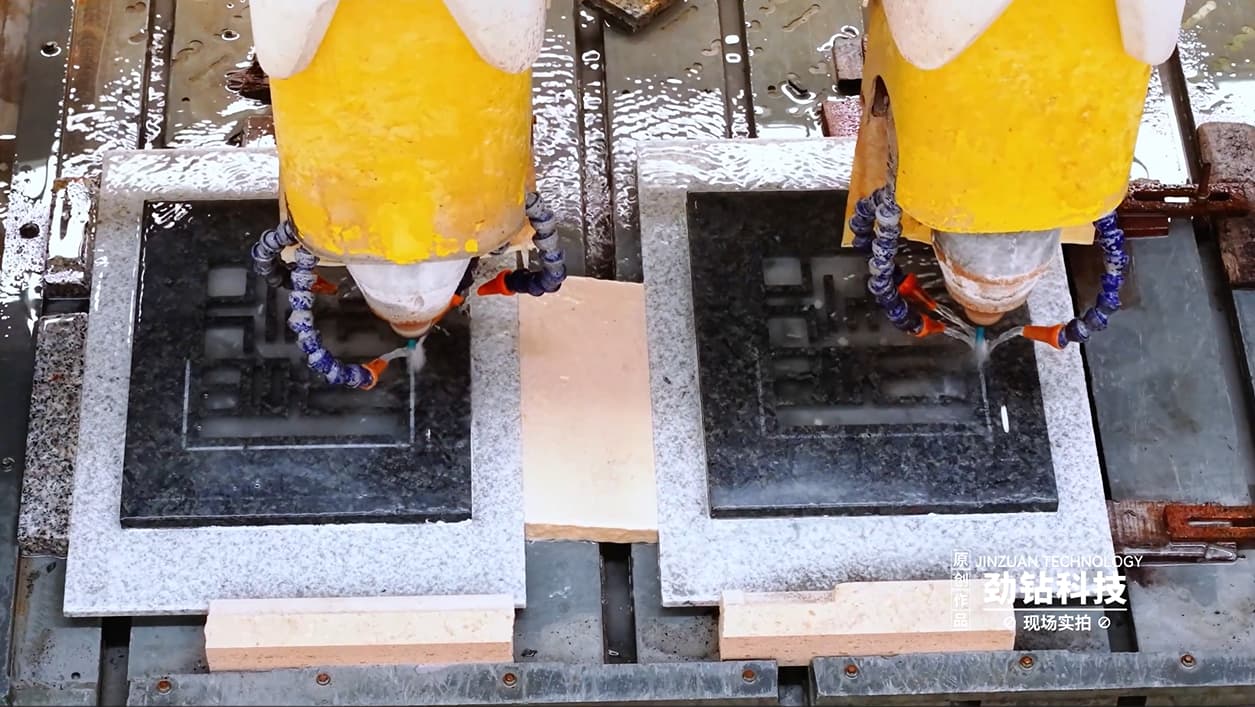
7. Научитесь "прислушиваться" к своему станку с ЧПУ.
Для опытных операторов машин звук может стать дополнительным инструментом технического обслуживания. Для того чтобы заметить изменения, не требуется специального оборудования. Регулярно работая на одном и том же станке для резьбы по камню, вы привыкаете к его обычному ритму.
Нормальный звук = стабильная работа.
Внезапное изменение звука = необходимо провести расследование, прежде чем продолжать.
Несколько секунд, потраченных на остановку оборудования и проверку причины неисправности, потенциально могут сэкономить часы простоя и предотвратить ненужную замену компонентов.
Итоговый вывод
Если станок для резьбы по камню внезапно стал работать громче, не стоит просто увеличивать громкость и продолжать резьбу.
Начните с проверки режущего инструмента, шпинделя, параметров обработки и механических соединений. Тип звука часто дает полезную подсказку о том, где может быть проблема.
Самое главное — воспринимайте необычный шум как ранний предупреждающий сигнал, а не как нечто, что следует игнорировать. Прислушайтесь к своему оборудованию, выявите изменения и устраните проблему, прежде чем она перерастет в поломку.
оставить сообщение
Сканировать в Wechat :

Сканировать в WhatsApp :






 Поддерживается сеть IPv6