

Гидроабразивная резка стала одной из самых универсальных и точных технологий производства в таких отраслях, как обработка камня, металлообработка, автомобилестроение, аэрокосмическая промышленность и архитектурное оформление. Но один из самых распространенных вопросов, которые задают покупатели, звучит так:
В этой статье вы найдете четкий, основанный на опыте ответ, подкрепленный реальными примерами применения, сравнениями и часто задаваемыми вопросами, который поможет вам оценить, подходит ли система гидроабразивной резки для вашего бизнеса.
A Промышленный Станок для гидроабразивной резки Для резки материалов используется вода под сверхвысоким давлением (обычно 3000–6000 бар), иногда смешанная с абразивными частицами, такими как гранат.
В отличие от методов термической резки (лазерной или плазменной), гидроабразивная резка — это процесс холодной резки, то есть:
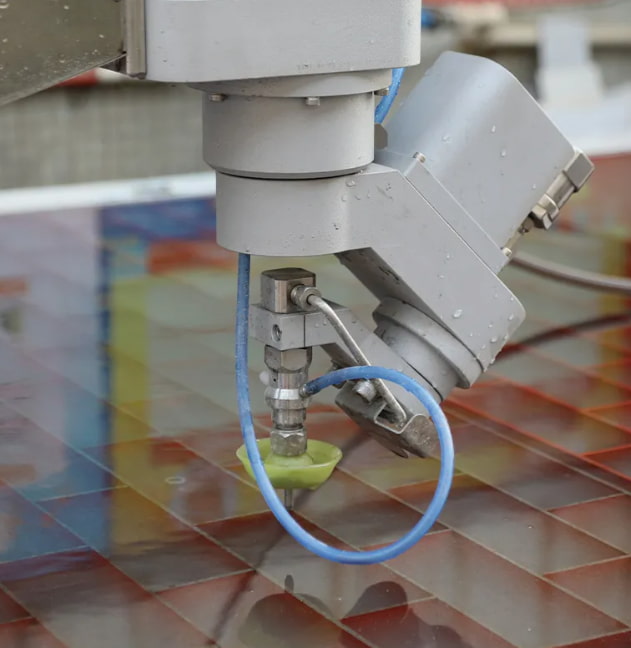
Многофункциональные гидроабразивные станки Они широко используются на предприятиях по обработке камня.
Материалы, пригодные для резки:
Реальный сценарий применения:
В производстве столешниц гидроабразивная резка позволяет вырезать сложные отверстия для раковин и изогнутые кромки в кварцевых плитах (толщиной 20–30 мм) с идеально ровными краями, исключая необходимость вторичной полировки.
Почему гидроабразивная резка предпочтительнее:
Материалы, пригодные для резки:
Реальный сценарий применения:
В цехе по изготовлению металлоконструкций можно без термической деформации нарезать пластины из нержавеющей стали толщиной 50 мм для промышленных фланцев — задача, с которой лазерная резка при такой толщине сталкивается с трудностями.
Ключевое преимущество:
Материалы, пригодные для резки:
Реальный сценарий применения:
Архитектурные компании используют гидроабразивную резку для создания стеклянных панелей на заказ со сложными узорами для фасадов и внутренних перегородок.
Почему это работает:
Материалы, пригодные для резки:
Реальный сценарий применения:
В проектах по созданию элитных интерьеров часто требуется точная резка крупноформатных керамогранитных плит (1200×2400 мм) для бесшовной отделки стен.
Материалы, пригодные для резки:
Реальный сценарий применения:
В автомобильной и аэрокосмической промышленности гидроабразивная резка используется для обработки панелей из углеродного волокна без расслоения, что является серьезной проблемой при механической резке.
Материалы, пригодные для резки:
Реальный сценарий применения:
Производители используют гидроабразивную резку для изготовления резиновых прокладок с высокой точностью и без пригорания краев.
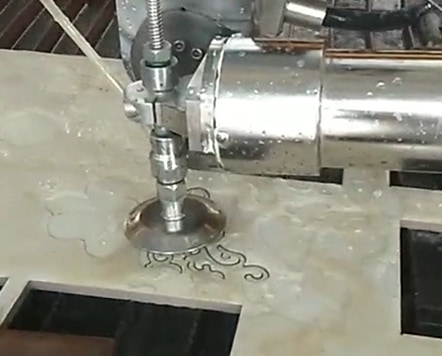
Несмотря на исключительную универсальность гидроабразивной резки, некоторые материалы требуют бережного обращения:
| Особенность | Водоструйная резка | Лазер |
|---|---|---|
| Тепловой удар | Никто | Высокий |
| Диапазон материалов | Очень широкий | Ограниченный ассортимент (в основном металлы) |
| Возможность измерения толщины | Отличный | Ограниченный |
| Точность | Высокий | Очень высокие (тонкие материалы) |
Заключение:
| Особенность | Водоструйная резка | Мостовая пила |
|---|---|---|
| Возможность изменения формы | Сложные кривые | Прямые разрезы |
| Качество кромки | Гладкий | Майский чип |
| Материальное напряжение | Никто | Возможные трещины |
Заключение:
Гидроабразивная резка идеально подходит для изготовления высококачественных изделий из камня на заказ, в то время как пилы лучше подходят для массовой прямой резки.
В1: Можно ли что-нибудь разрезать гидроабразивной резкой?
Практически все, но не буквально все. Он может резать большинство материалов, за исключением закаленного стекла и некоторых чрезвычайно хрупких композитных материалов.
Вопрос 2: Какую толщину может разрезать водоструйный аппарат?
Сталь: до 150–200 мм (в зависимости от мощности)
Камень: обычно 50–100 мм, эффективно
Вопрос 3: Повредит ли вода материал?
Нет. Процесс резки контролируемый и локализованный. Например: В процессе обработки камня, даже после 48-часовой непрерывной работы, плиты сохраняют структурную стабильность и не подвержены проникновению воды.
Вопрос 4: Дорого ли обходится гидроабразивная резка?
Первоначальные инвестиции выше, но:
Для заводов, использующих различные материалы, рентабельность инвестиций высока.
В5: Почему высококлассные камнеобрабатывающие предприятия предпочитают гидроабразивную резку?
Потому что это позволяет:
При выборе системы гидроабразивной резки покупателям следует обратить внимание на следующие факторы:
Ищите станки, которые обеспечивают точность ±0,1 мм в течение длительных рабочих циклов.
Насос — это сердцевина:
Крайне важно для зарубежных покупателей:
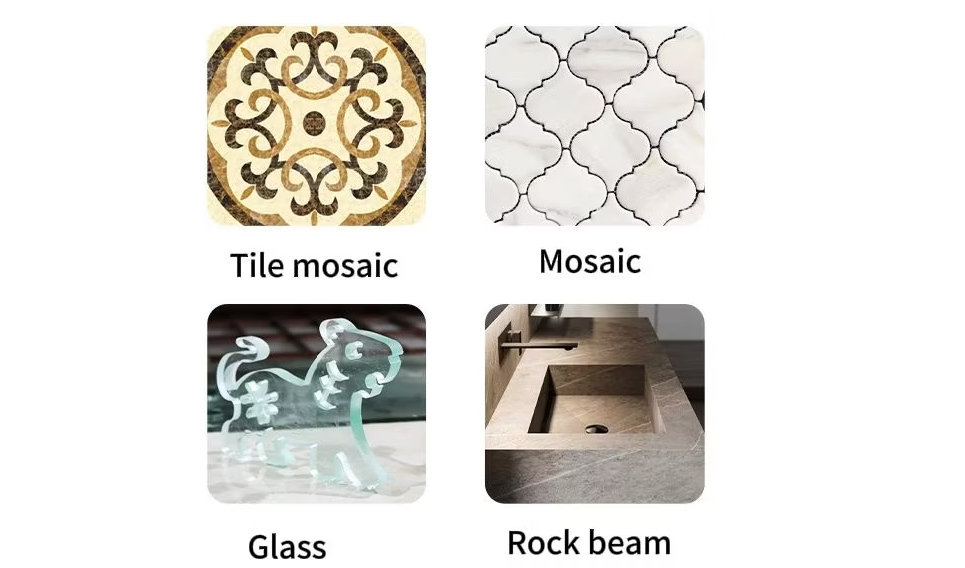
Резка гидроабразивным методом с ЧПУ-управлением Выделяется благодаря одному ключевому преимуществу: Он может резать практически любой материал без смены инструментов или технологических процессов.
От гранитных столешниц до деталей из титана, используемых в аэрокосмической отрасли, от произведений искусства из стекла до резиновых уплотнителей — технология гидроабразивной резки обеспечивает точность, гибкость и надежность в самых разных отраслях.
Для покупателей в секторе камнеобрабатывающего оборудования инвестиции в систему гидроабразивной резки — это не просто резка, а расширение производственных возможностей и выход на более прибыльные рынки.
оставить сообщение
Сканировать в Wechat :

Сканировать в WhatsApp :






 Поддерживается сеть IPv6